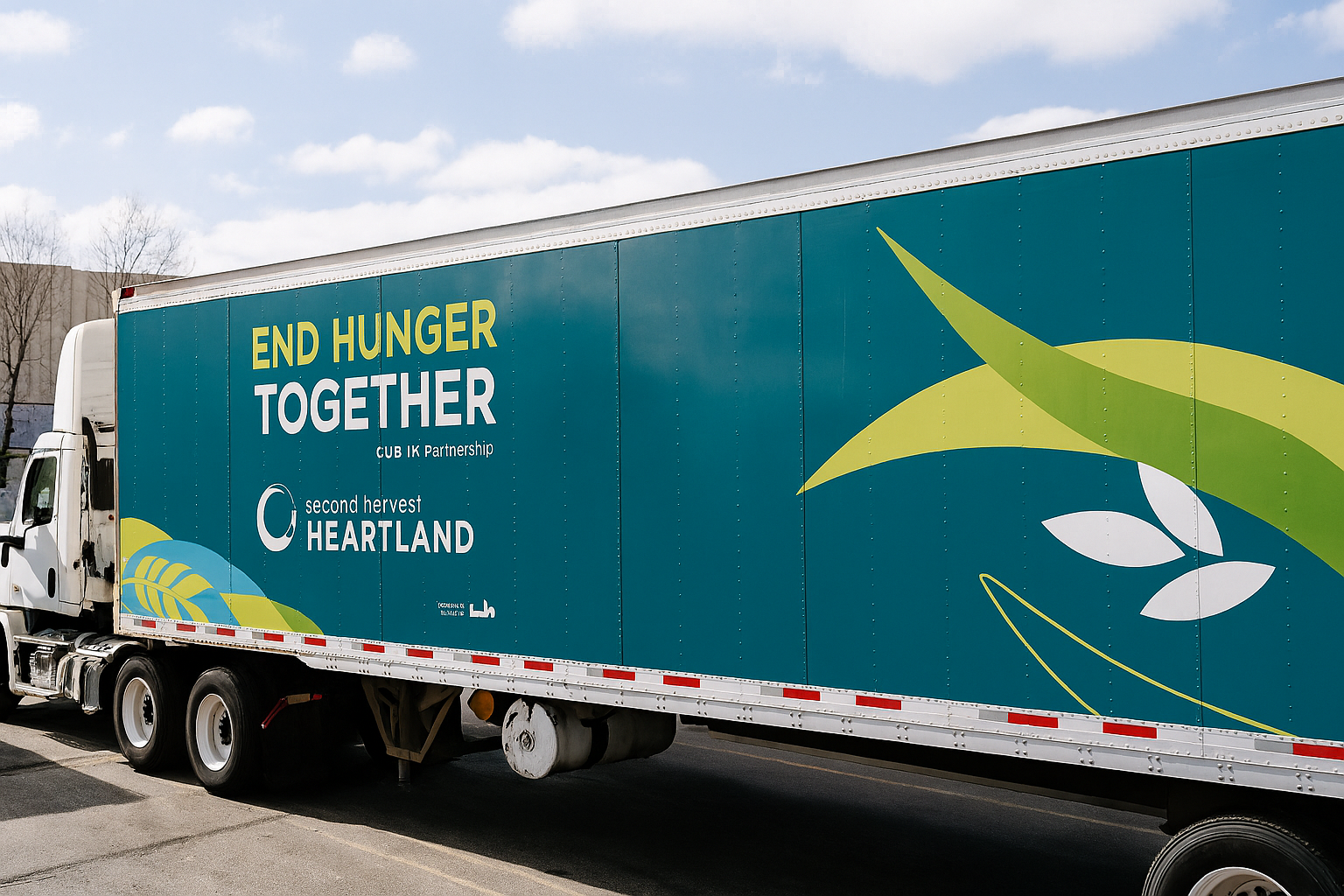
Responsibility
Doing our part to reduce food waste
Land O’Lakes achieves 30% food waste reduction goal in internal operations – six years early
“We’re working with super snug windows. Days matter; hours matter,” says Jim Spaight, Sales Operations Manager, U.S. Dairy Foods.
In 2020, Land O’Lakes channeled that urgency by establishing a goal to reduce food waste in standard operational practices by 30% by 2030—focused primarily on Land O’Lakes butter and cheese and Kozy Shack puddings.
Just four short years later, we’re proud to report that we’ve essentially met that target, coming in at a 29.5% food waste reduction in 2024—thanks to strong collaboration between our business and supply chain teams.
The key to success? Making significant improvements on the front end—and back end—of the process.
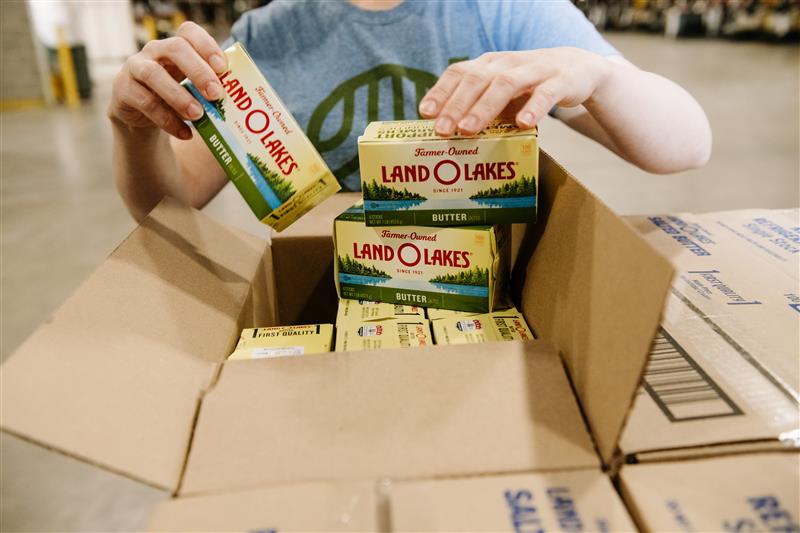
Land O’Lakes established a goal to reduce food waste in standard operational practices by 30% by 2030—focused primarily on Land O’Lakes butter and cheese and Kozy Shack puddings.
Managing inventory on the front end
It all starts with solid management practices to minimize aging inventory.
“We work collectively as a cross-functional team—demand planning, supply planning, sales and marketing—to tightly manage the category and continually improve our forecast and inventory plans,” says Nick Najjar, Senior Director, Warehousing.
New planning technology has been instrumental—from investments in end-to-end supply planning and demand forecasting systems to the latest digital technology and data visualization tools.
“We've made a number of changes to overall visibility to make sure everybody can see what's coming in a way that we haven't in the past,” Nick says. “With better forward-looking visibility, we can quickly reposition the product to another point of distribution if needed.”
Segmenting the product portfolio has been another lever to manage inventory.
“We're focusing on those items that turn the most and producing more of them,” Jim says.
“Spoiler Alert has helped us sell more product—and donate the rest—faster and more effectively than ever before."
Jim Spaight/Sales Operations Manager, U.S. Dairy Foods
Expediting on the back end
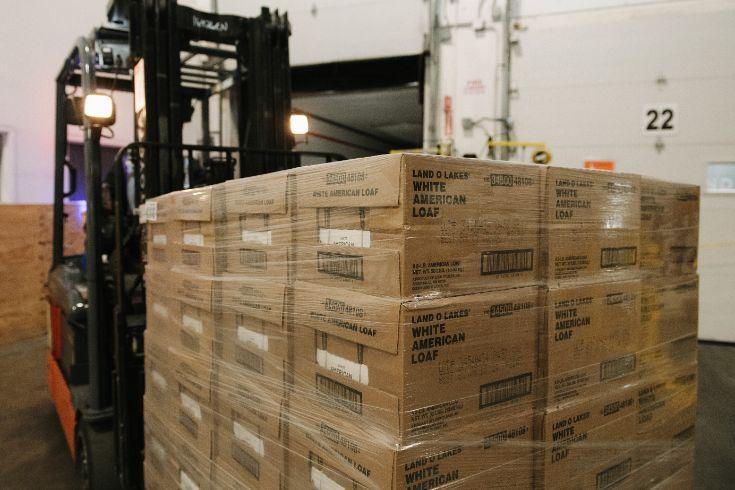
Despite our best planning, there still may be excess product. Thanks to technology from Spoiler Alert, this process is simpler and faster. We began working with Spoiler Alert in 2023 to expedite the movement of quality dairy products through the secondary sales market, with the rest donated to community food banks.
“Spoiler Alert has helped us sell more product—and donate the rest—faster and more effectively than ever before,” says Jim. “And by partnering with the Land O’Lakes Foundation, we’re sending product to community food banks where our member-owners operate.”
In 2024, donations surpassed 2.4 million pounds of product, bringing the total to more than 6 million pounds donated.
Another way we’re keeping food out of the landfill is through Dairy Foods R&D processes. After conducting small test runs of new or reformulated products (like spreadable butter or butter sauces), it’s been our practice for over a decade to find the best available outlets for these items—including donating the finished goods.
In the end, reducing food waste not only saves money and keeps food out of landfills, it allows us to get quality food to people in need.
“This story is a really good example of how sustainability is smart business,” says Erika Covington, Supply Chain Sustainability Manager.