.jpg?ext=.jpg)
Business
Our cooperative through the lens of a 100-year-old camera
The similarities of film photography and agriculture
Film photography has seen a major resurgence over the past decade. Despite the rapid advancement of camera technology making it easier than ever to take reliably clear and clinically sharp photos, there’s something about the manual process of film that keeps drawing people back.
There are two main aspects that I would argue have made the film renaissance viable. First is the quality of old equipment and techniques. If you’ve ever picked up a film camera from before the 1980s, you’ll know what I’m talking about. All-metal components and sturdy builds have helped these machines pass the test of time, and it’s not uncommon to find 70-plus-year-old cameras that, aside from needing a little grease, are in perfect working order.
The second is the advancement of film processing technology. This may sound at odds with the first point, but advancements in development and scanning technology have allowed people to develop their own photos at home with little issue. What would have taken days or weeks to develop in industrial labs decades ago can now, with the right materials and a little know-how, be done in hours from the comfort of people’s homes. It’s easier than ever to get into film photography and make good photos.
With these two factors, film photography—an art form that’s more than 150 years old—has been able to evolve and adapt, enabling it to thrive in a modern era.
In many ways, photos on film act as a perfect visual metaphor for the farming industry. Fittingly, it's a comparison that Member Relations SVP Pete Kappleman has made as well, as it’s through photos that he is able to best convey this sense of legacy rooted in modernism.
“I often try to illustrate this with my own pictures of my grandfather on our farm 85 years ago, and a picture of one of my grandkids in the same general vicinity today,” Pete says. “I think of it often when I’m working in the field. I know that field has been worked by someone in my family for the last 150 years, and I’ve got a grandkid riding with me in the tractor. That’s what American agriculture is all about. It’s more than an occupation. It’s a lifestyle and commitment to feeding the planet.”
“Back in the day, we had people going out to dairy farms working with members on basic animal care and hygiene techniques. We don't really do a lot of that anymore because that expertise lies on the farm,” he says, “so they don't need us for that anymore. But there are other areas that evolve such as cybersecurity, technology, data management and marketing, to name a few. Our members are always going to need us, but what they need us for is constantly evolving”
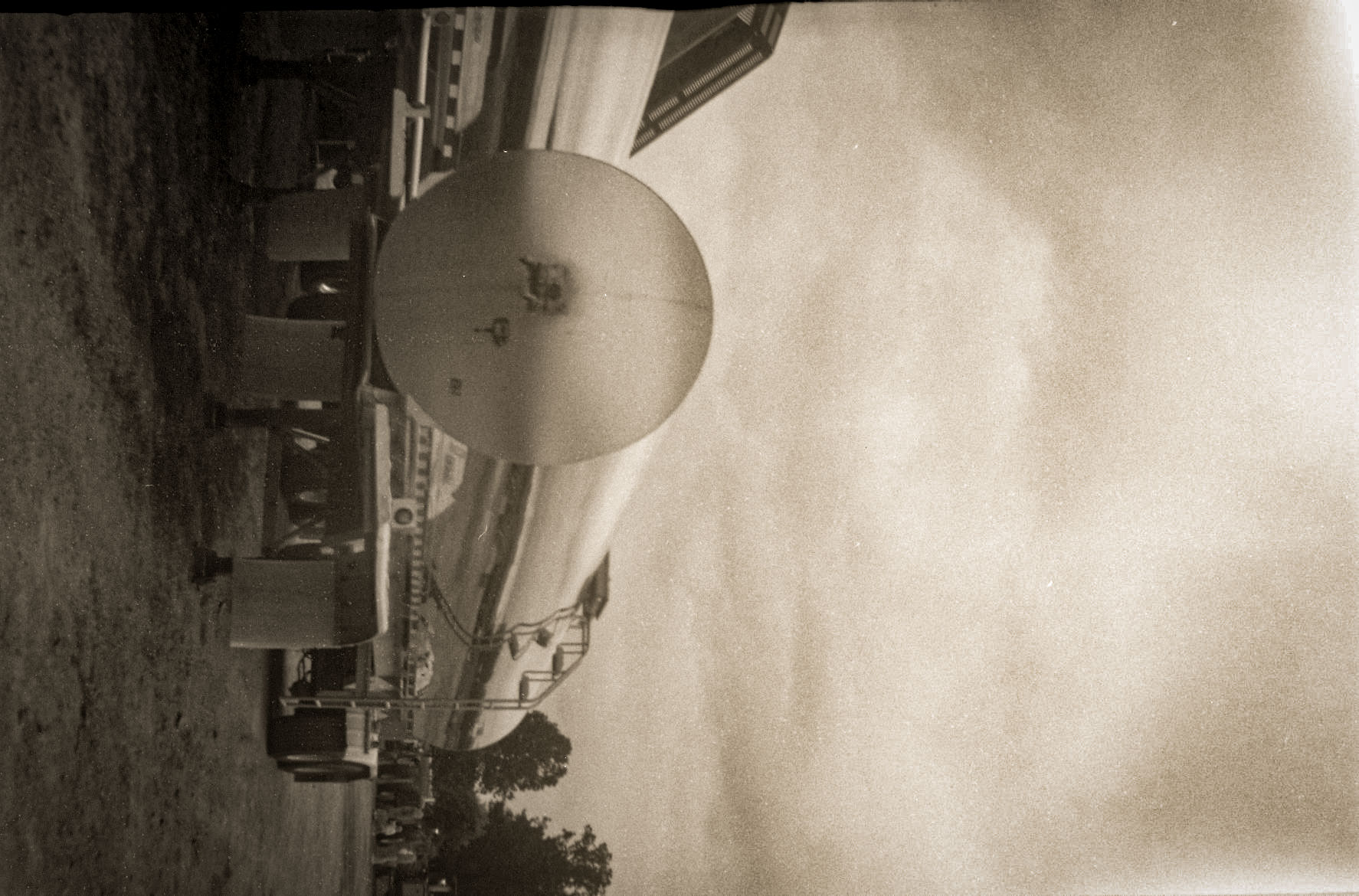
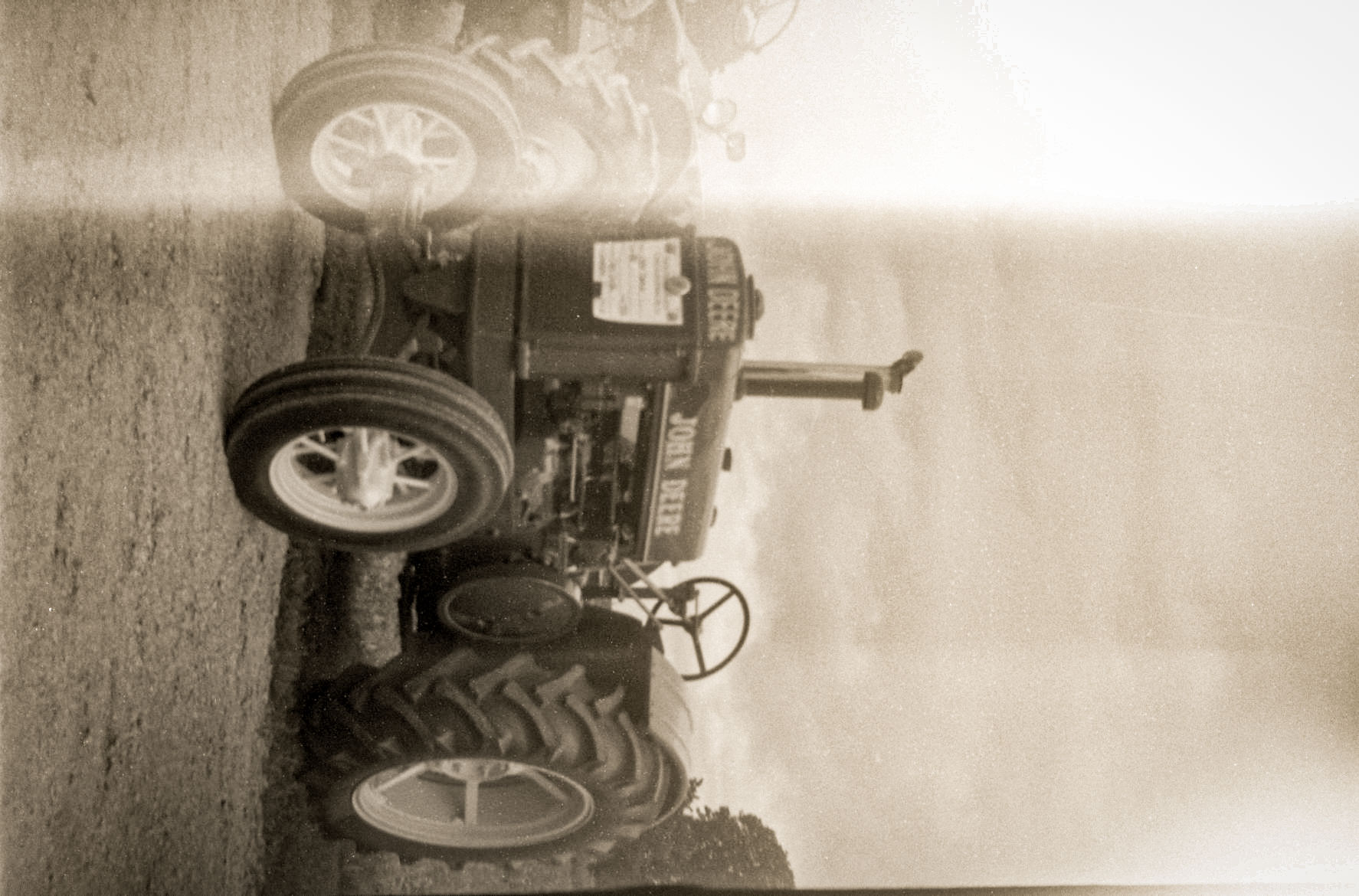
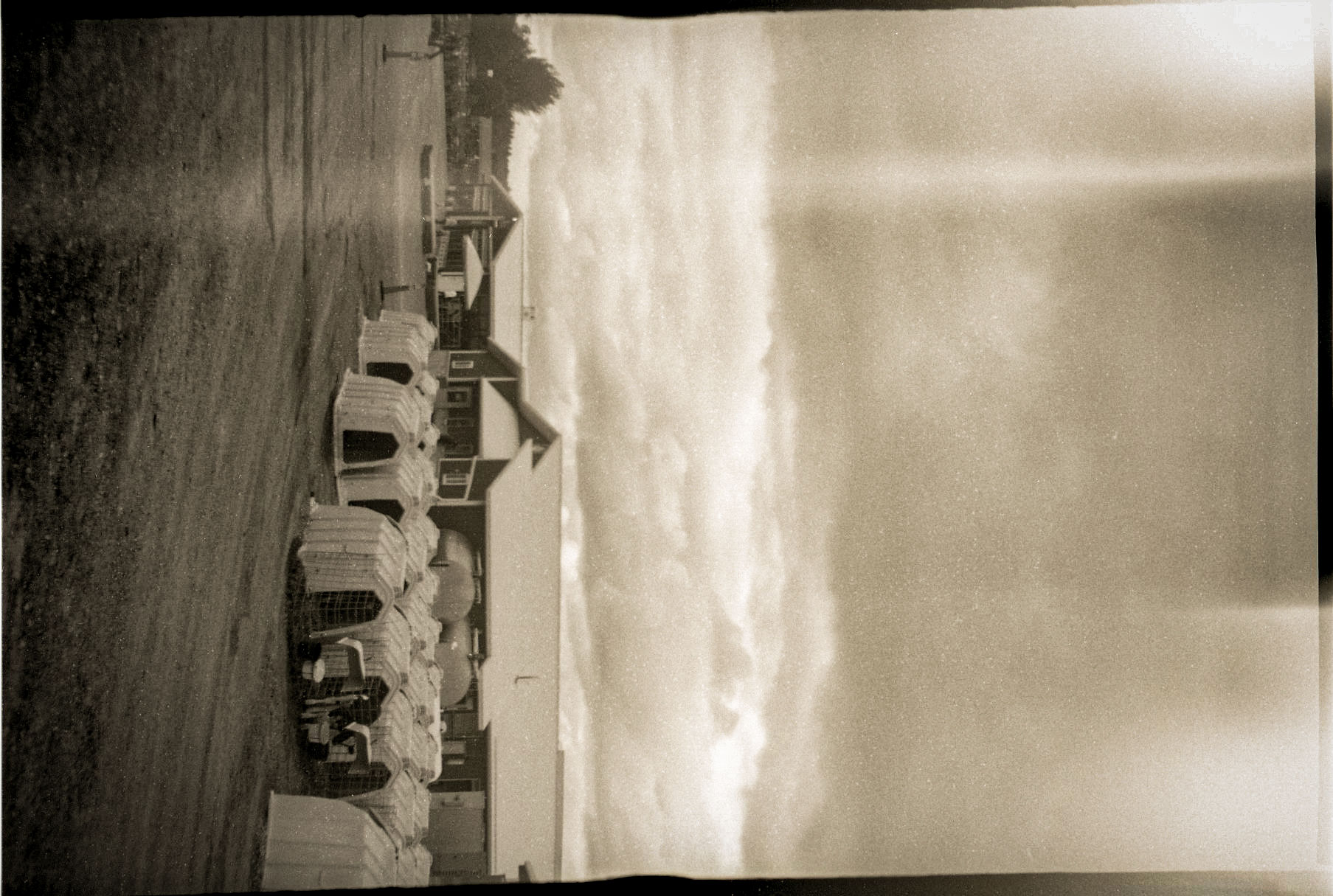
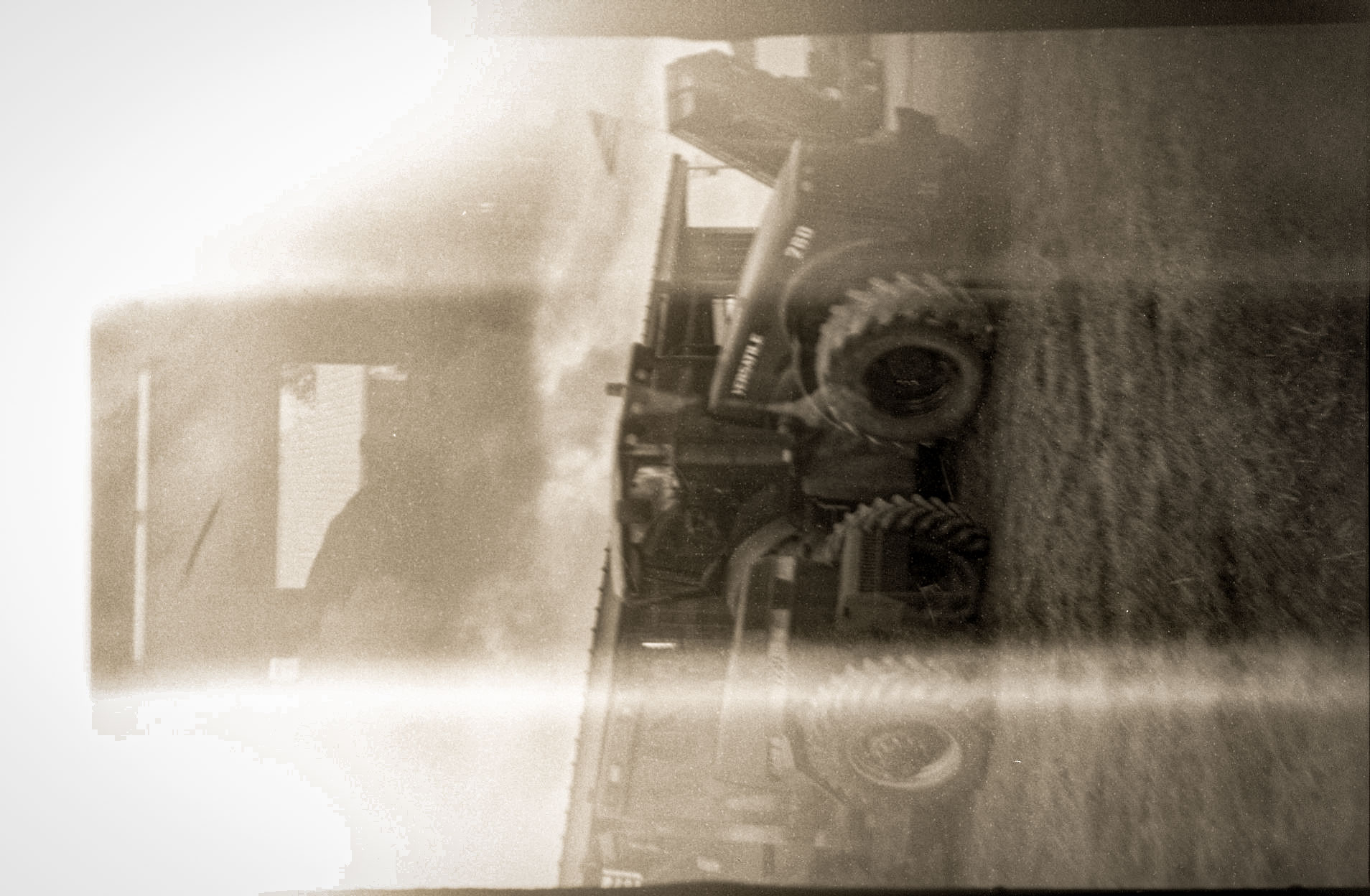
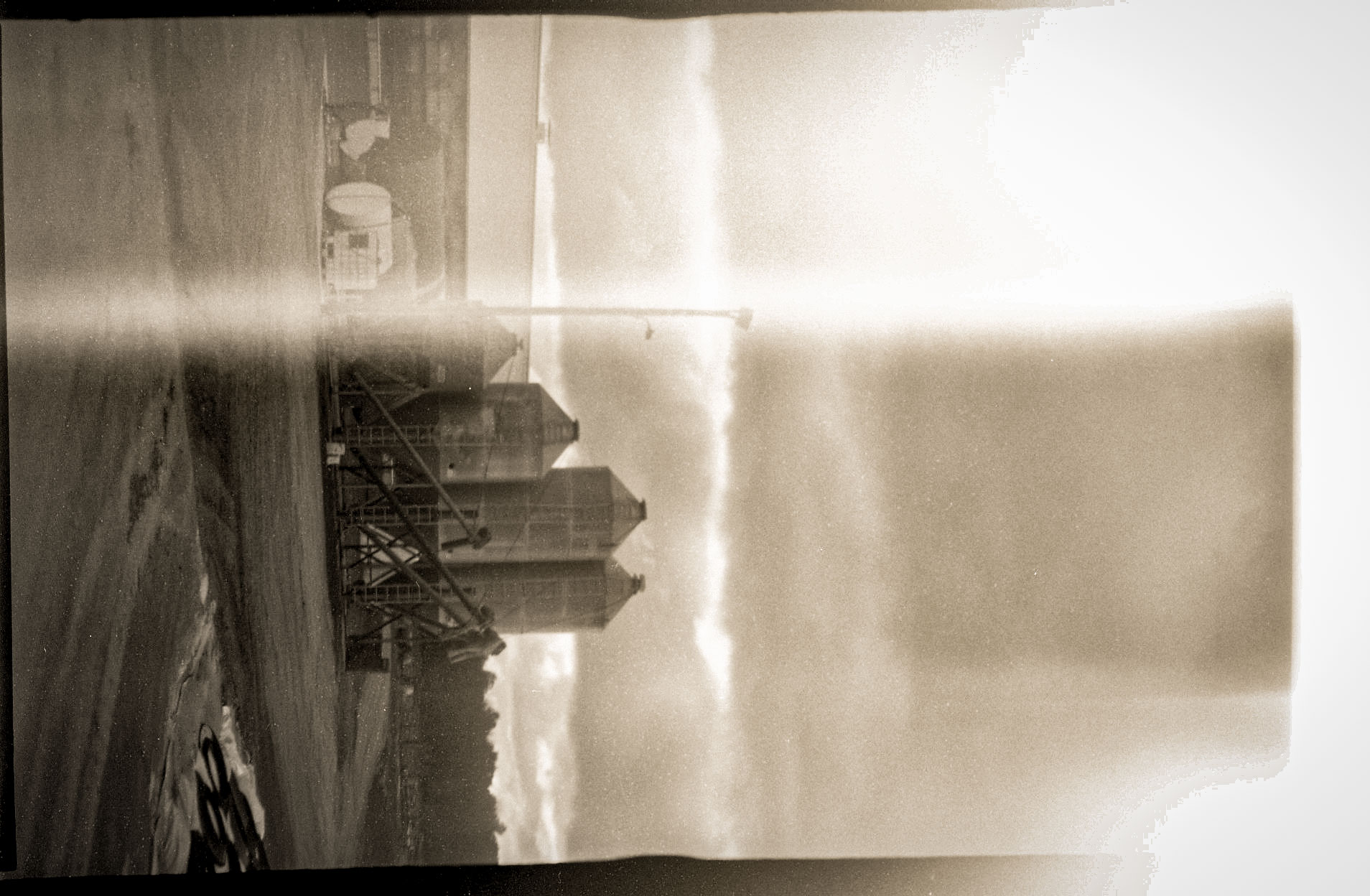
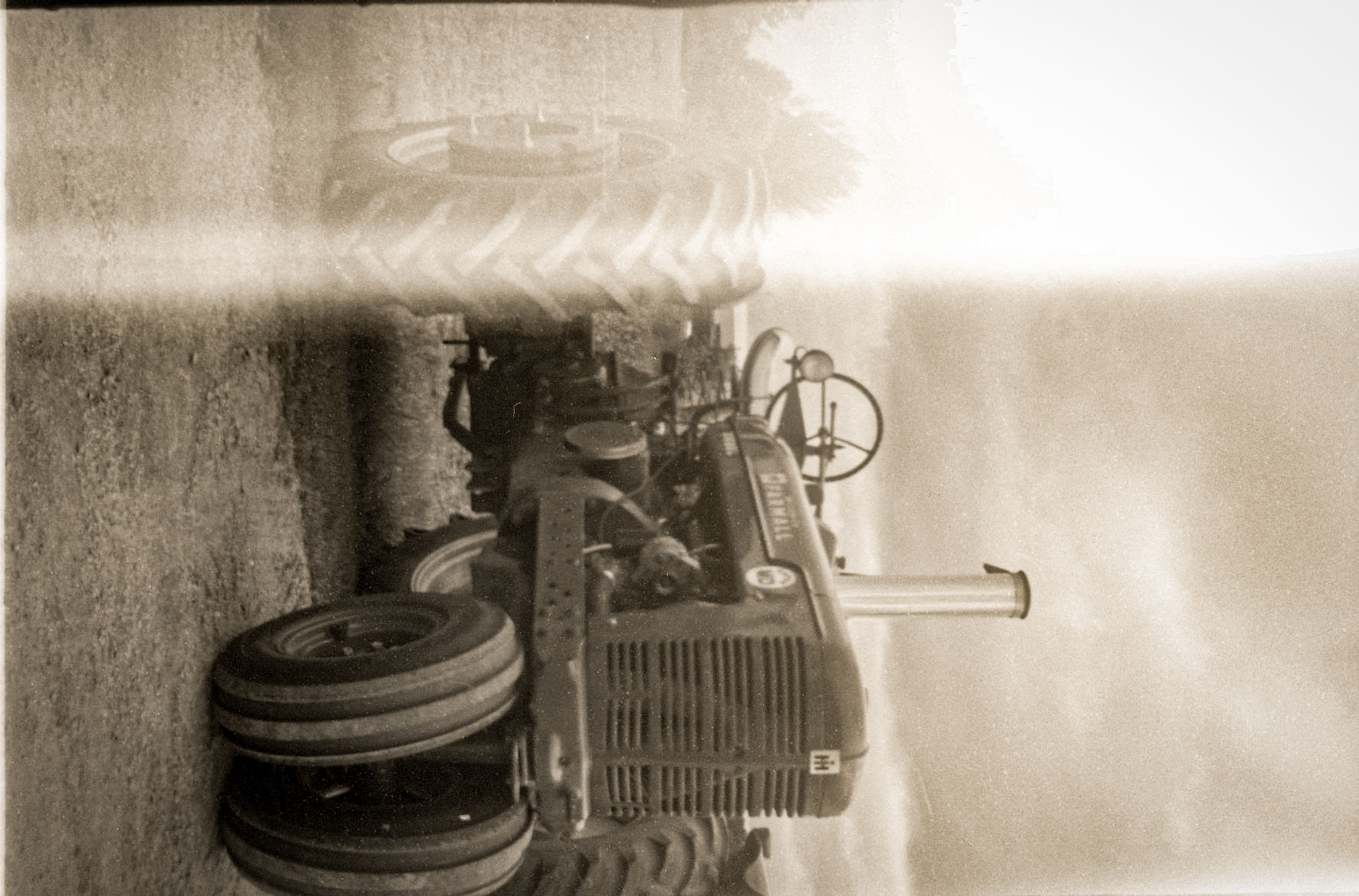
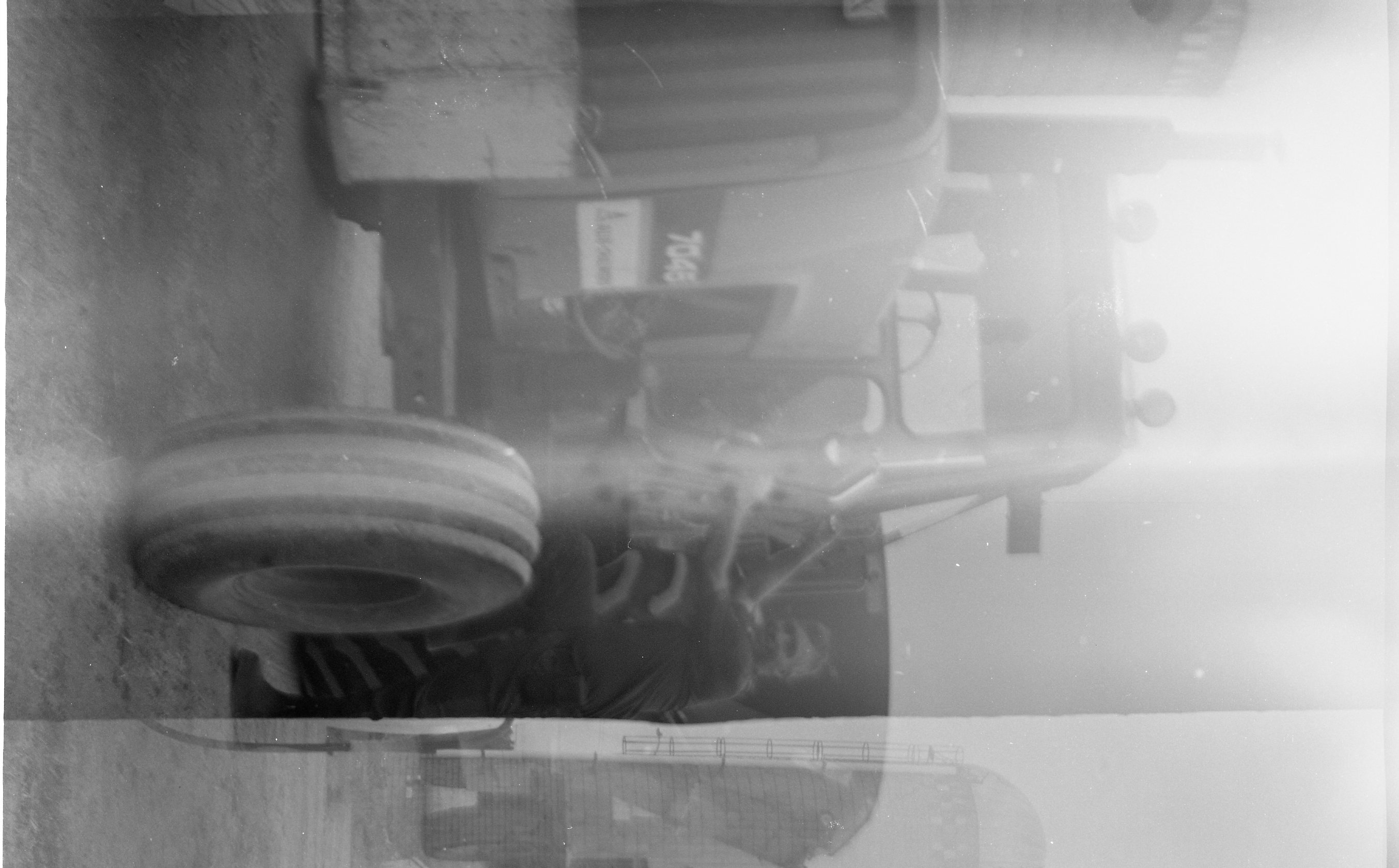
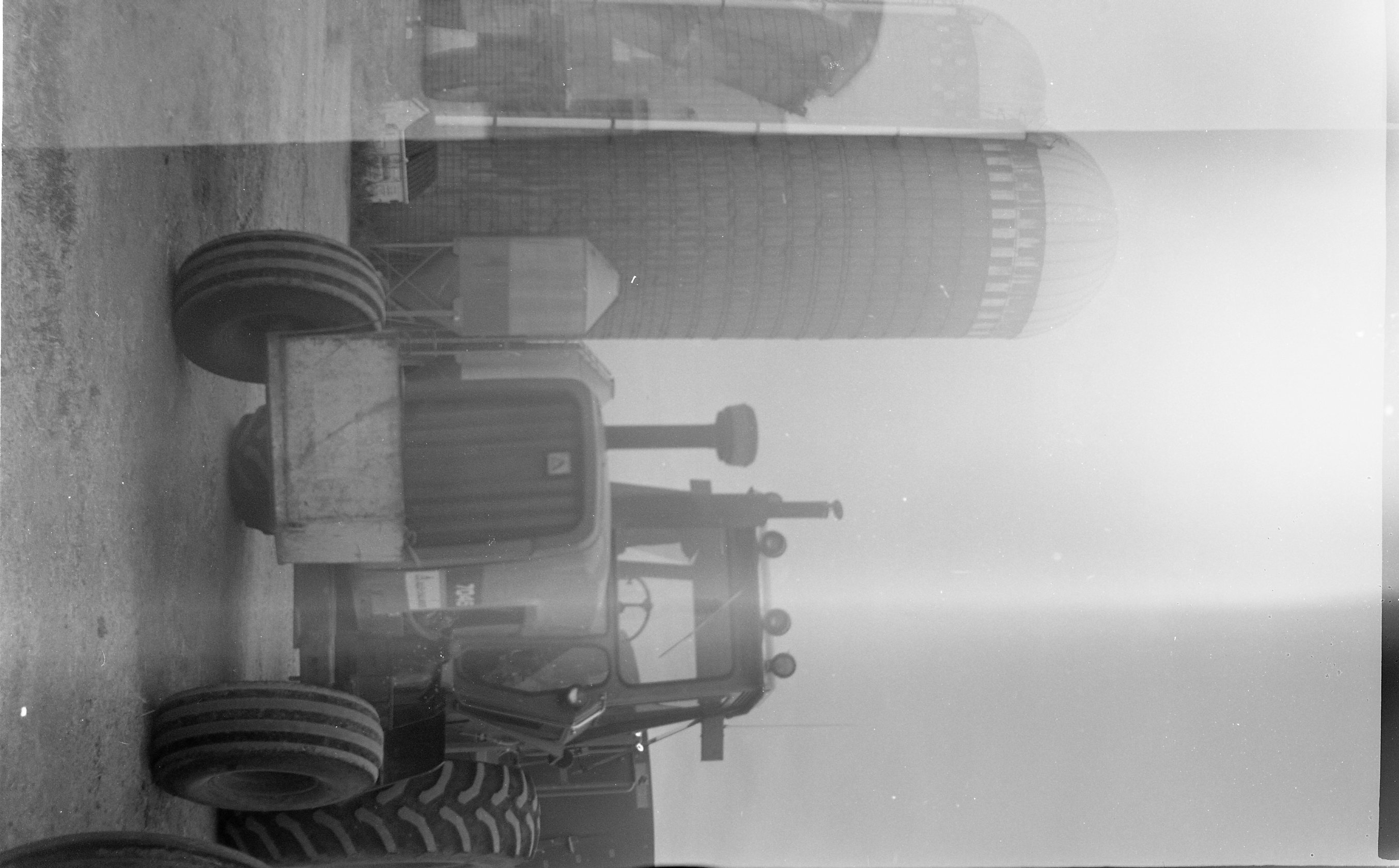
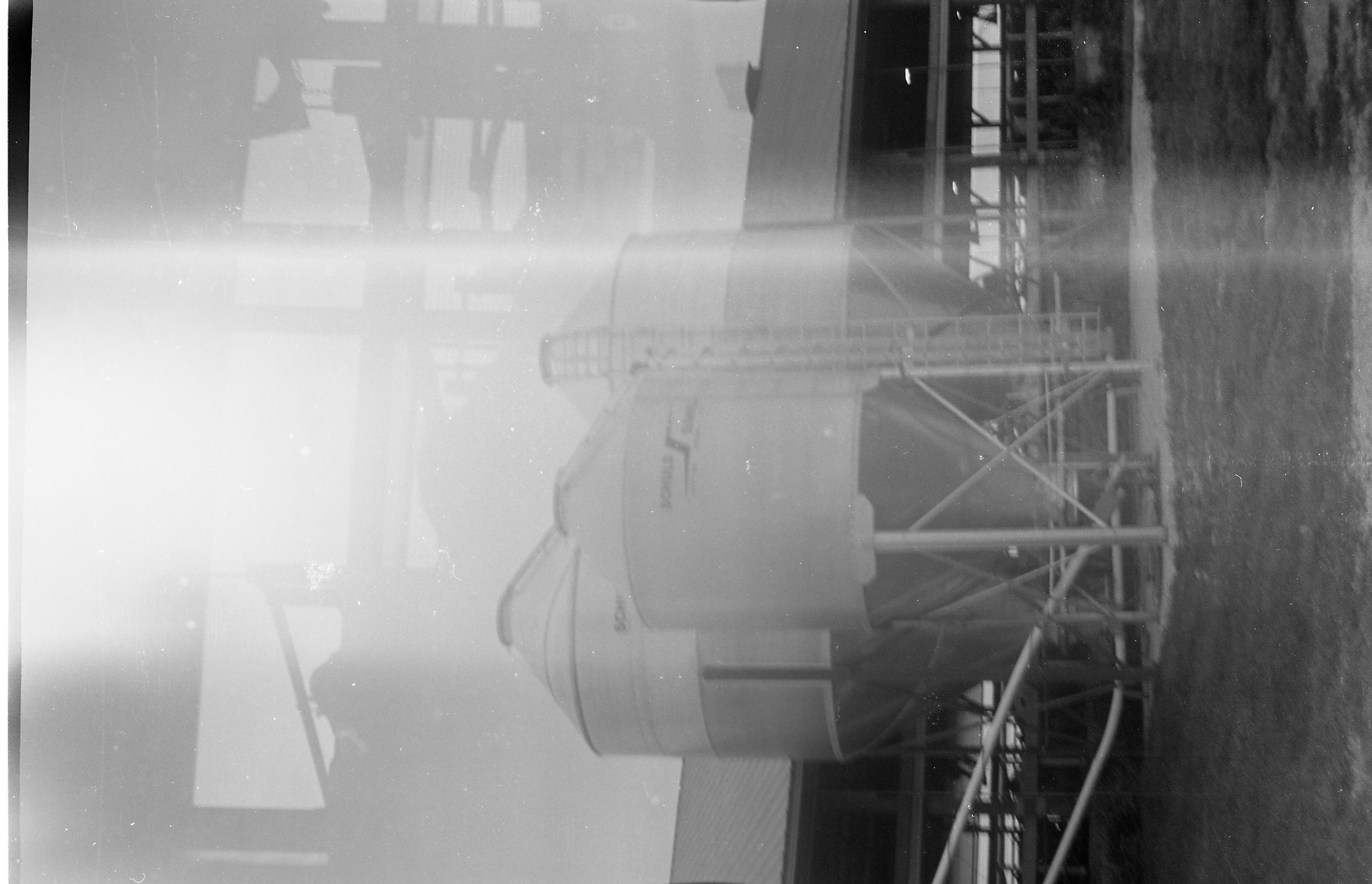
Land O’Lakes is, as the tagline says, Rooted In Tomorrow. So, as a way to visualize the essence of that mantra, take a look at two modern member farms through the lens of a Houghton Ensign-Cupid, a film camera that is just one year younger than our 105-year-old cooperative.

Klingsporn Dairy – Southern Minnesota
Klingsporn Dairy in Pine Island has been in the Klingsporn family since 1868. Current owner David Klingsporn’s parents bought the farm from family in 1953. Currently, David and his son Kevin keep the operation running with the help of some family. With around 450 cows total, Klingsporn Dairy produces about 3.5 million pounds of milk annually using robotic milking systems.“The dairy industry has evolved quite a bit. We’re producing much more than we used to,” David says. “It’s pretty cool to think about.”
Klingsporn has also embraced new technology, using robotic milkers to improve milking efficiency and reduce labor needs. The system monitors each cow down to the individual teat level, providing customized concentrate feed to match each cow’s nutritional requirements based on its stage of lactation.

Echowood Holsteins – Central Wisconsin
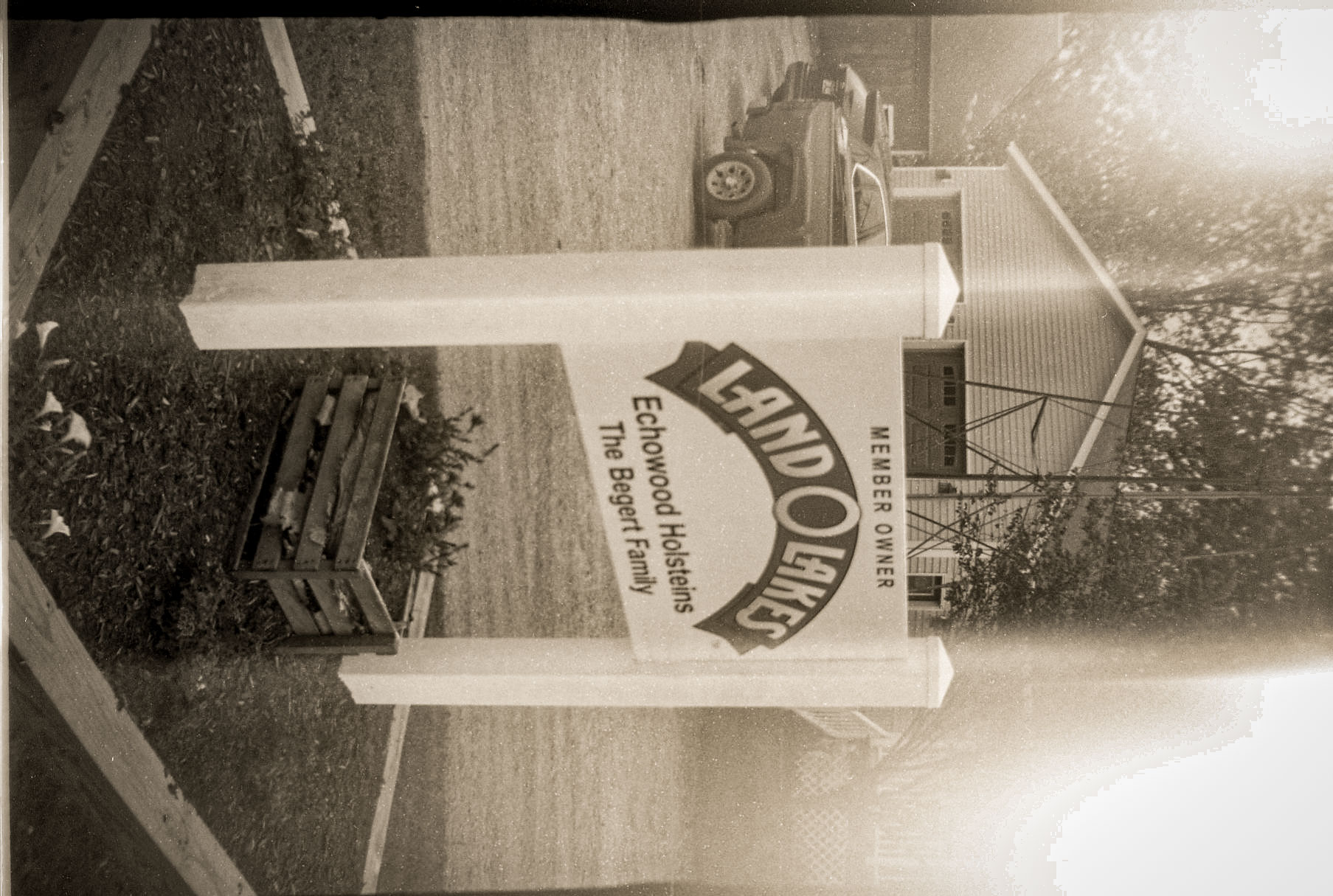
Brian Begert, along with his parents and two children, run the nearly 2,000-acre Echowood Holsteins farm. The farm has been in Brian’s family since 1971, and they produce around 25 million pounds of milk annually with around 550 cows.
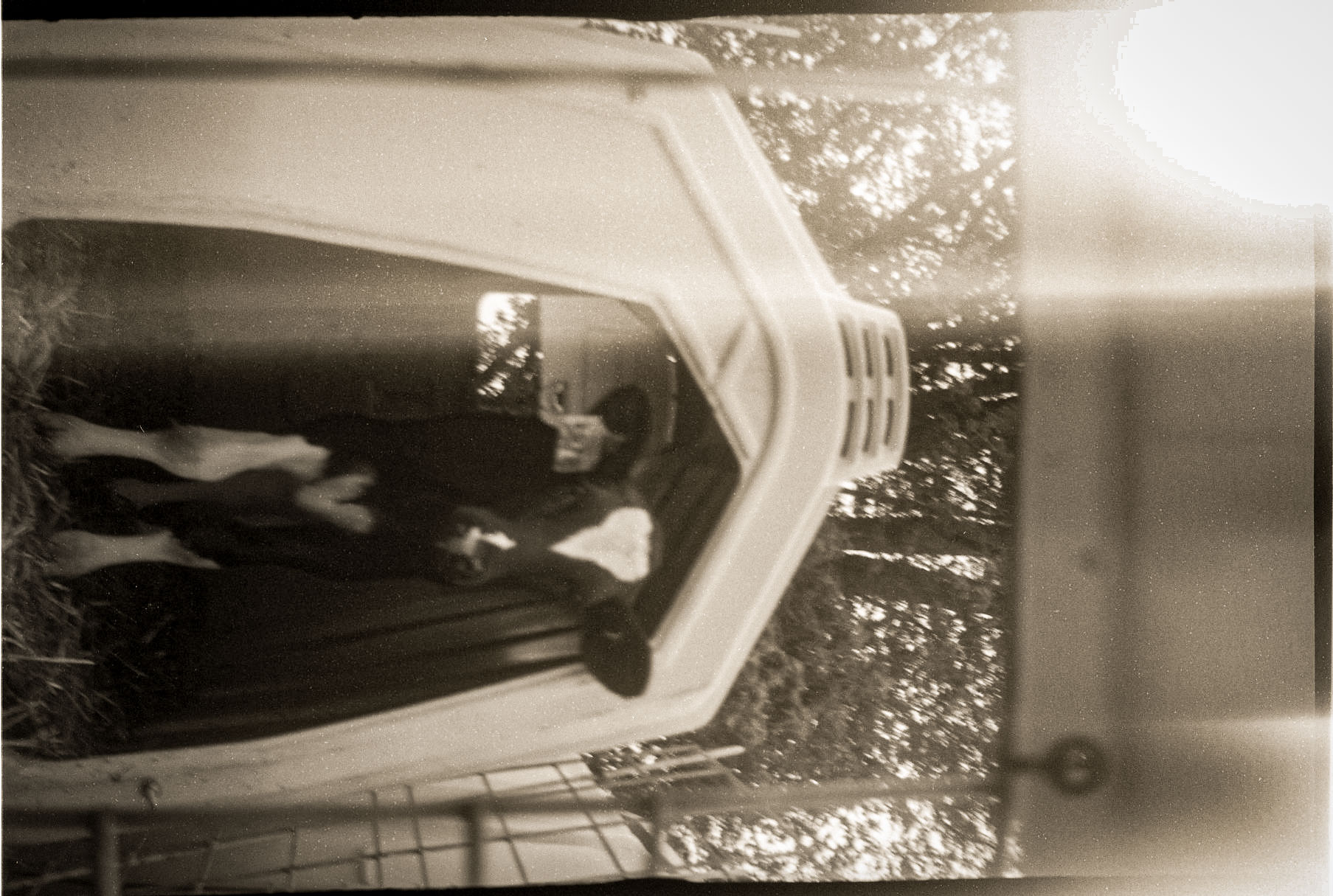
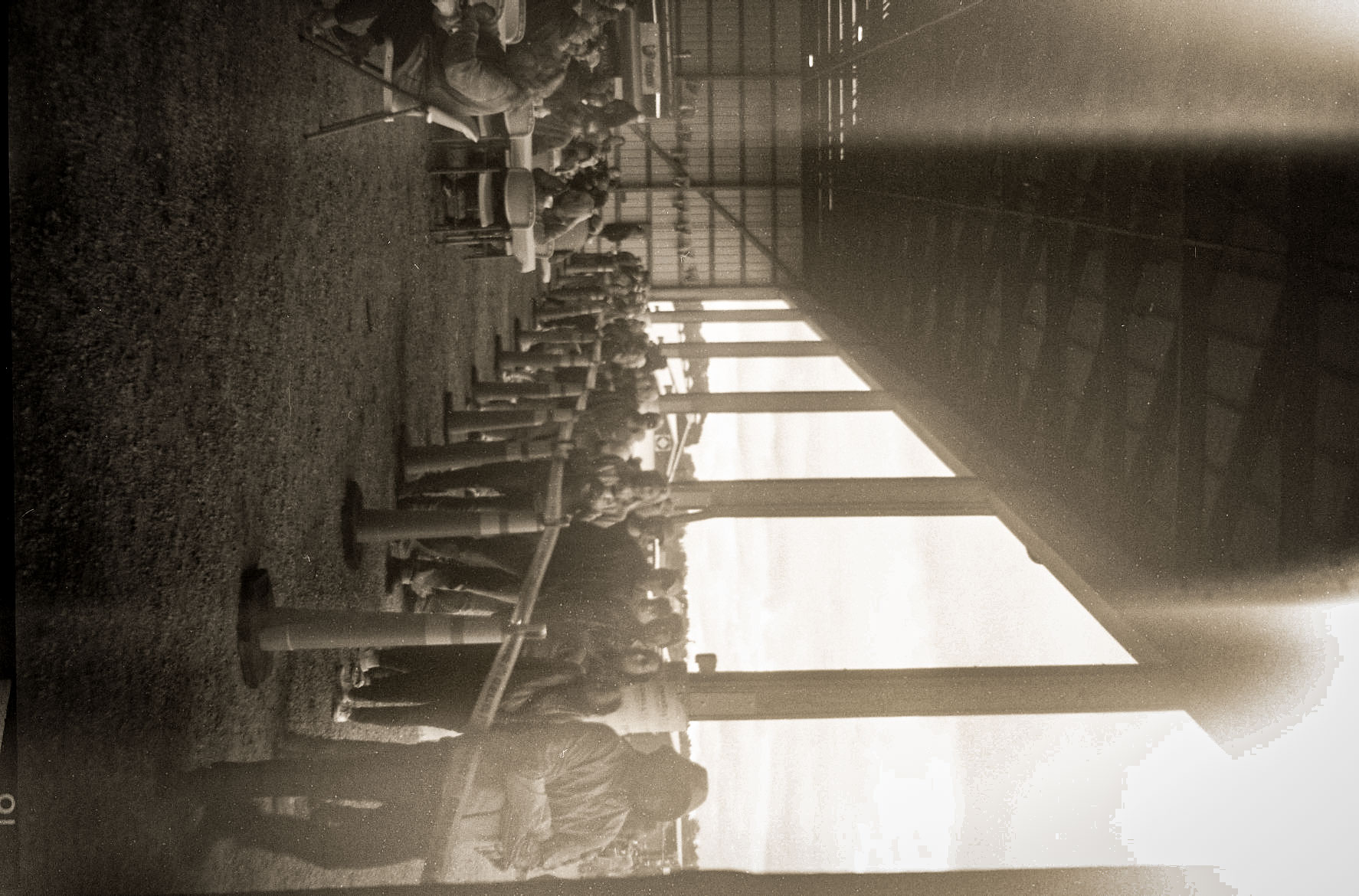
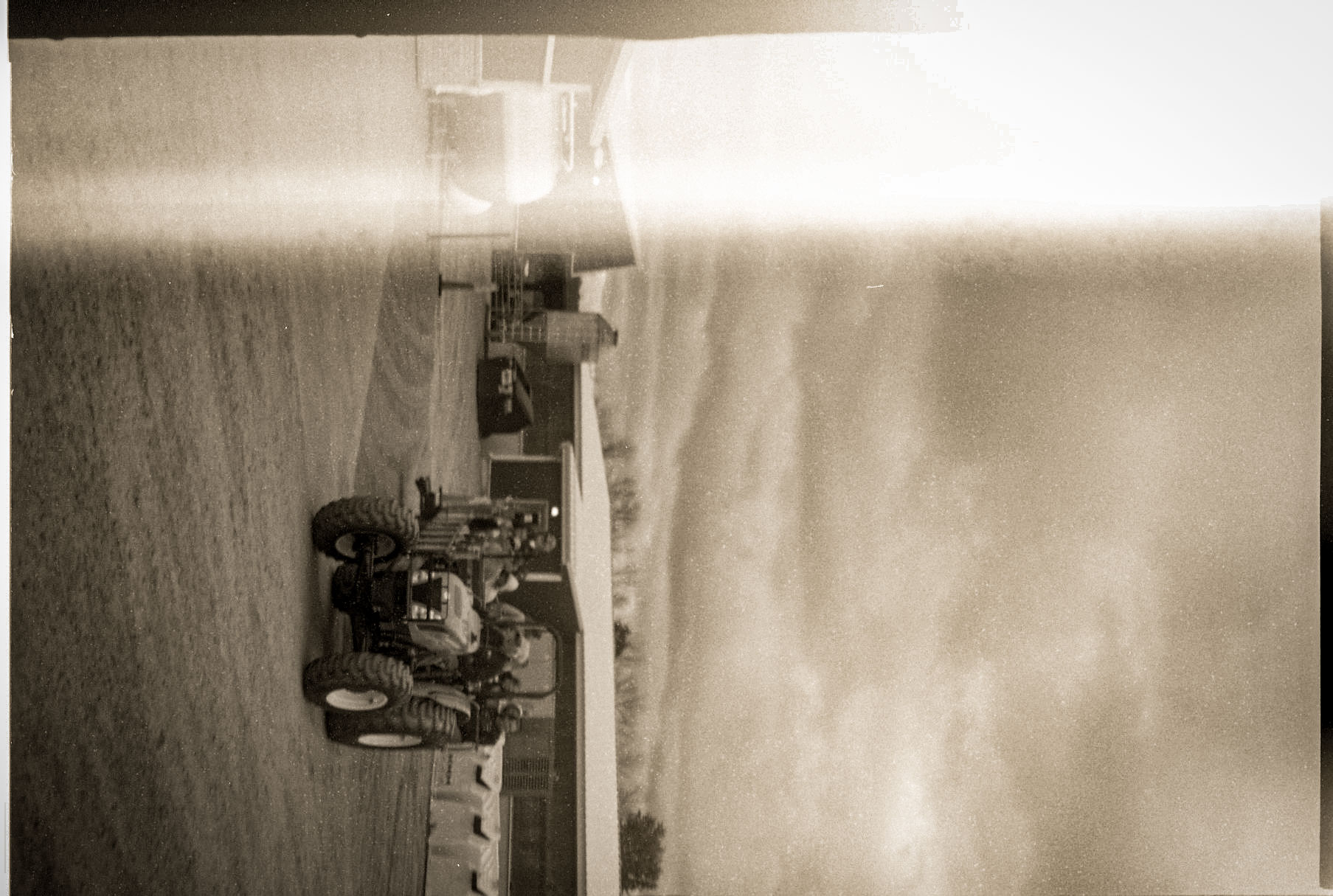
“A lot of people are so far removed from dairy farming,” Brian said during an on-farm event in June. “We like to show people how we care for our cattle and that the reason we do all of this is to make a quality product.”
Echowood Holsteins has transitioned to using almost 100% cover crops and no-till practices to improve soil quality and support long-term soil health for future generations. The farm also works at educating the public about agriculture through their YouTube channel.